
Imposter syndrome isn’t proof you don’t belong. It’s proof you’re standing in something that matters.
The term imposter syndrome has become more common in recent years, but it’s still often misunderstood. Psychologists define it as the persistent fear of being exposed as a fraud, despite evidence of success.

We often think that self-doubt is something to “get over” before we begin.
Before we share our work.
Before we show up fully.
Before we trust our voice.
But here’s a quiet realization I’ve come to believe over the years:
Imposters don’t get imposter syndrome.
You feel it not because you’re fake, but because you’re invested.
Imposter syndrome is not evidence of fraud.
It’s evidence of care.
It’s evidence of depth.
It’s a sign that you’re standing at the edge of something meaningful, something aligned with who you are becoming!
The Myth: “I Have to Be Fearless to Be Authentic”

We live in a world that often confuses confidence with certainty.
We’re told to “be confident,” to “own our voice,” to “take up space.” But the truth is, the people who care most deeply about their work, their values, their contribution, are usually the ones who feel the most fear.
Why? Because they’re emotionally invested.
They’re not performing for applause. They’re creating something real.
So when imposter syndrome shows up, it’s easy to think:
“I must not be ready.”
“I shouldn’t be the one doing this.”
“Other people are more qualified.”
But pause for a second here.
What if the doubt is not a warning sign, but an invitation to lean in?
What if it’s the first clue that you’re actually doing the work… the real inner work of becoming visible?
The Retreat Mirror: Why Safe Spaces Matter
I’ve seen this moment unfold again and again on retreat.
Someone sits in circle, eyes brimming with uncertainty. They’re about to share their story, perform a piece they’ve written, or simply let themselves be seen (maybe for the first time in a long time.)
And just before they speak, the doubt comes flooding in:
“What if I’m not good enough?”
“What if people see through me?”
“What if I mess it up?”
And here’s what I always say:
“You’re not feeling this because you’re an imposter.
You’re feeling this because you care.”
In fact, the deeper the work, the louder the resistance.
That’s how you know you’re brushing up against your personal growth edge.
You’re Not Broken, You’re Becoming!

Imposter syndrome doesn’t mean something is wrong with you.
It often means something is awakening within.
When you’re stepping into alignment (when you’re allowing your voice, your story, your ideas to come to the surface), it stirs up every old belief you’ve internalized about being “too much,” “not enough,” “unqualified,” or “unworthy.”
But that discomfort isn’t a reason to stop. It’s a reason to keep going in the direction you’re heading gently, intentionally, and with support.
Safe spaces like retreats don’t erase self-doubt.
They give it context.
They create a container where you can feel it and keep moving anyway.
That’s the real creative process: learning to walk alongside doubt without giving it the final say.
What Imposter Syndrome Actually Reveals
Let’s reframe it because it’s not about faking.
It’s about feeling deeply connected to something you’re not yet fully fluent in.
It means:
- You’re stretching into a new version of yourself
- You’re connected to the impact you want to make
- You’re aware of your responsibility, and that matters to you
- You’re listening to your inner voice, even if it trembles
- You’re not chasing perfection, you’re practicing self-awareness
It’s a form of emotional courage.
Because vulnerability isn’t just about sharing your pain.
It’s about showing up, even when you’re not sure how it will be received.
It’s about saying, “This is me. I’m still becoming. But I’m here.”
A Personal Experience
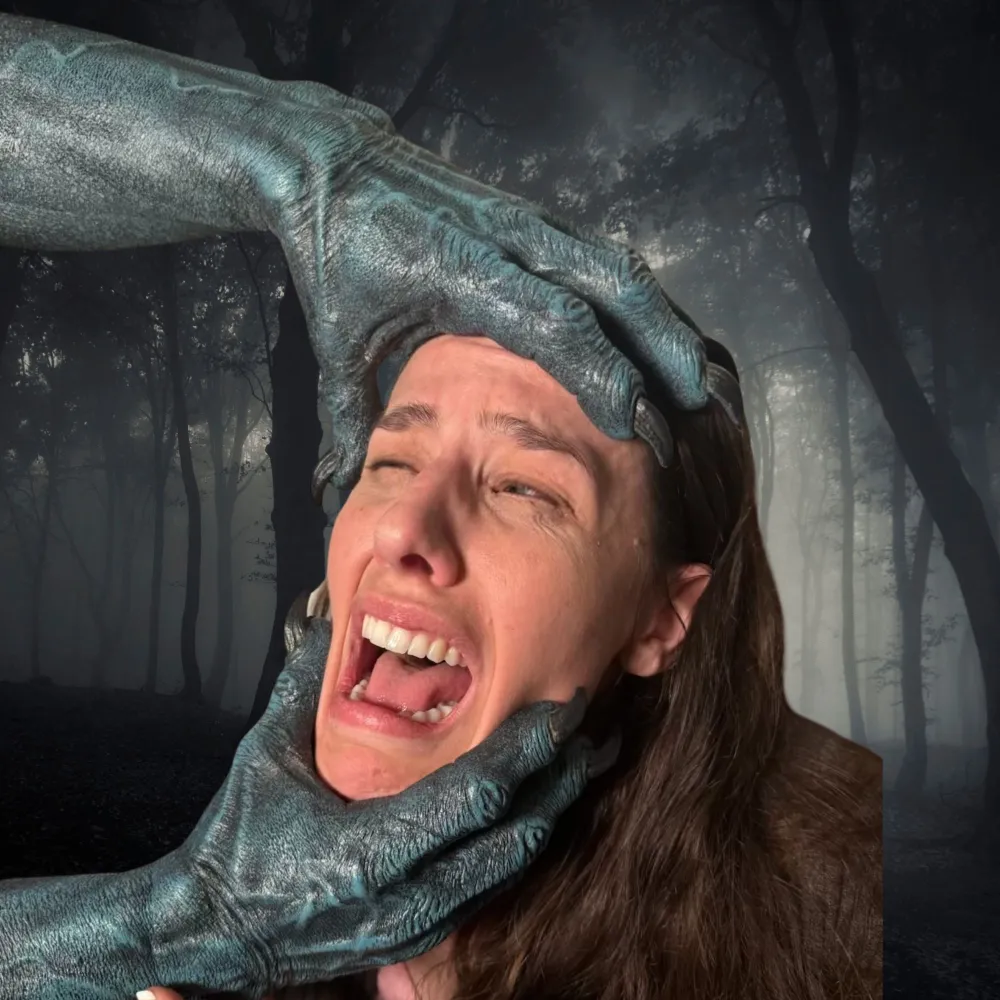
I have noticed this feeling of being an imposter in every area I am passionate about. Whether it is in acting, voiceovers, theatre, photography or making movies, I would always catch myself saying things like:
“Who do I think I am?”, “I’m not good enough to do this”, etc…
But here’s the twist: I realized that I was thinking about things all wrong. I realized that I was not an imposter, I just cared too much about doing my best work!
I was continually studying, and investing in my craft, booking jobs and having wins in everything I set out to accomplish. Everything I did, was from a place of vulnerability and honesty. It all came from the heart and that was a good thing!
I wasn’t inauthentic. I was on a journey in my own creative progress. It was a sign that said:
You’re not off-track. You’re on the path. KEEP GOING!
Real Confidence Doesn’t Feel Loud
We often imagine confidence as bold, polished, unshakable.
But real confidence (the kind that grows from the inside out), doesn’t always look like that.
Sometimes, it looks like:
- A shaky voice that keeps going anyway
- A deep breath before sharing your truth
- A pause between sentences because you’re choosing your words carefully
- A retreat journal filled with doubts, questions, and tiny wins
That’s self-trust being built in real time.
That’s you becoming the person who shows up fully. Not despite the fear, but because you care too much to stay hidden!

Final Reflection: You’re Not an Imposter. You’re Growing.
If you’ve been feeling imposter syndrome lately, ask yourself:
- Is it because you’re lying?
- Or is it because you’re finally telling the truth about what matters to you?
Most of the time, it’s not about faking anything.
It’s about stepping into something meaningful before you feel 100% fluent in it.
And that’s okay.
You don’t have to be flawless to be authentic.
You don’t have to be fearless to be powerful.
You just have to be willing to stay with the discomfort long enough to move through it.
And if you’re doing that, you’re not an imposter.
You’re a human being, doing the deep work of becoming.
Want to take this work deeper in person?
If you’re craving a space where you can lay down perfection, reconnect with your voice, and be seen exactly as you are, I invite you to join our next retreat!
We create sacred space for creative rest, real growth, and beautiful transformation.